
How to Prevent Copper Theft on a Construction Site
Copper is most exposed between the day it arrives on a job site and the day the building has power and people in it. Here is where it goes missing from, and what helps stop the loss.
Contractors usually find out about copper theft on construction sites first thing in the morning. The electrical crew arrives, opens the storage container or walks to the panel, and finds that the wire they staged or pulled the week before is gone. The fence may show one cut section, and nothing else on the property looks disturbed.
Preventing the theft starts with knowing when the copper is exposed. A project does not carry the same risk from its first day to its last, and the weeks when copper sits on the site without a finished, occupied building around it are the weeks that need a plan.
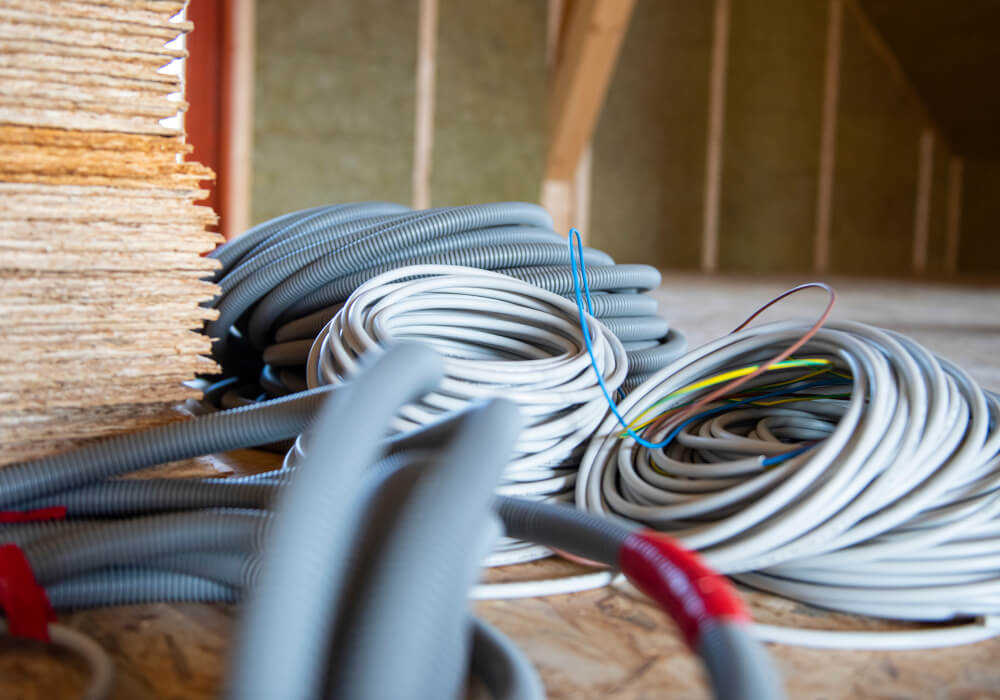
When Does a Construction Site Become a Target for Copper Theft?
A site becomes worth visiting when copper arrives, and the exposure is highest until the building has permanent power and people inside it. Most projects pass through four stages before that point, and each stage puts the copper in a different place.
| Stage of the project | Copper on site | Where the exposure is |
|---|---|---|
| Temporary power | Feeder cable and generator leads | Cable lying on open ground |
| Rough-in deliveries | Wire reels and copper pipe | Material staged for days before use |
| Wire pulled, not yet energized | Feeders and branch wire in conduit | Installed wire waiting on the utility |
| Mechanical equipment set | Condensers and rooftop units | Units in place before occupancy |
Installed wire deserves particular attention. A feeder that waits several weeks for the utility connection is not yet energized, and it stays vulnerable for that whole period, even though the work looks finished.
The loss is also larger than the price of the wire. The electrician has to repeat the labor and may need to repair the conduit, and the inspector may need to return before the work can move forward. The trades scheduled behind the electrician lose their start date, so one stolen feeder can cost the project several days.
Residential and apartment projects carry the same exposure later in the job. Copper pipe and outdoor air conditioning units go into homes that are finished but still empty. On a Texas subdivision at the edge of a growing suburb, the nearest occupied house may be several streets away.
How Do Thieves Know Copper Has Arrived on a Construction Site?
Copper deliveries are easy to see. A delivery truck unloads reels in daylight, the reels sit in view while the crew works from them, and condensers stay on their pads where anyone driving past can count them. On a site beside a busy road, anyone driving past can see what has arrived.
Subcontractors, their crews, and delivery drivers also know when material is due. The practical response is to control who can enter the site after hours and to remove access when it is no longer needed.
A named member of the project team should sign for each copper delivery and see it locked away, so material does not sit where the driver left it. A separate gate code for each subcontractor, in place of one shared code, shows which code opened the gate and at what time. When a subcontractor completes its scope, the project team should cancel its code and collect its key to the container.
Why Do Security Cameras Alone Not Stop Copper Theft on a Job Site?
A camera that only records gives you a clear account of the theft the next morning. That footage matters for the police report and the insurance claim, but the reels are gone and the electrician has no material to work with.
Prevention depends on somebody knowing about the visit while the person is still at the fence or the container. On a site that sits empty every night, the camera system has to do more than store video:
- Where detection is needed: Motion detection that covers an entire site can report stray animals and tarps moving in the wind. Detection aimed at the container doors and the reel staging area reports the event that matters.
- Who receives the alert: The alert has to reach someone who is awake and watching, whether that is a live video monitoring operator or a designated member of the project team.
- What can be done from a distance: A speaker on the site lets an operator tell the person that the cameras see them and that police are being called. That can end the visit before anything is cut, although it will not stop every person.
- Who responds after hours: The superintendent or project manager should be on the contact list with an after-hours number, and should already know who meets the police at the gate.
It is also worth confirming that every camera is recording, because a camera can show live video and still record nothing.
How Should Security on a Construction Site Change as the Build Progresses?
As a project moves from one stage to the next, the copper moves, and the security coverage has to move with it. A system that watched the storage container well in the first month may be watching an empty area a few months later, while the wire it was meant to protect now sits inside the building.
While material is staged, the storage container and the reel area are the target, so detection belongs there and at the gate a vehicle would use. Once the crew pulls wire into the building, attention shifts indoors, to the electrical room and to the openings where someone could enter the shell after dark. When the mechanical equipment arrives, the roof access and the equipment pads need coverage, and a ladder left against the building overnight gives someone a way onto the roof.
This is how TXP Security plans our construction site security systems, and we review the coverage at each stage so that it follows the material. Many Texas projects rise on open land at the edge of a city, where no neighboring business looks onto the site at night. On those sites, the project cannot count on a neighbor noticing a truck at the fence.
What Makes Monitoring Work on an Active Construction Site?
A construction site is harder to monitor than a finished building, because the conditions change from one week to the next. A crew stays late to finish a pour, a delivery of block goes up in front of a camera, or the temporary power is disconnected for a day. A camera that covered the storage area one week may not cover it the next. Most of the problems come from a few situations that the project team can plan for with whoever monitors the site:
- A crew working late: Tell the monitoring provider before the shift, with the names of the company and the area they will be in. Otherwise the operator may treat an authorized crew as an intrusion, or someone turns the monitoring off for the night and forgets to turn it back on.
- A blocked or outdated view: When the container moves, a wall goes up, or material is stacked in a new place, someone should look at each camera view and confirm that it still shows the storage point. One named person should own that check.
- A contact who does not answer: The list needs a second and a third person, in order, so that the alert still reaches someone if the first person does not answer.
- Finding the right gate: A large site may have several entrances on different streets. A simple name for each gate, and the street it faces, helps an operator send the police to the place where the person is.
- Loss of power or connection: Temporary power gets disconnected during normal work, so ask how you will be told when a camera goes offline, and who receives that notice. Agree in advance on what happens next, such as someone checking the site, until the camera is working again.
What Reduces the Exposure Before Any Equipment Goes In?
Scheduling and storage decisions remove a large share of the exposure before any equipment is involved. They help because reels and condensers are heavy, and loading them takes a vehicle close to the material and some time without being seen:
- Delivery quantity: Ask the electrical subcontractor to bring the wire the crew will pull in the next several days, so that less material sits waiting.
- Delivery timing: Material that arrives on a Friday spends its first days on site during the quietest hours of the project.
- Container position: Place the storage container where a truck cannot back up to it from outside, with its doors facing the interior of the site.
- Lighting: Good lighting removes some of the cover a person would otherwise have, although it works best where someone is in a position to see the area.
- Vehicle access: Most copper leaves in a vehicle, so a locked main gate and a blocked secondary entrance make it harder to bring one close to the material.
Where the schedule allows, it also helps to pull the main feeders close to the date the utility energizes the service, so the wire spends fewer nights waiting in the conduit.
How Do You Protect a Construction Site Over Holidays, Long Weekends, and Weather Delays?
On a normal workday, the site is empty overnight. A holiday weekend can leave it empty for several days, and nobody walks the property to notice a cut fence in between. Texas weather adds its own closures, since a week of rain or a winter freeze can stop work with little notice.
Before the crew leaves for a long closure, the project team should check what material is still on the site, who can be reached by phone, and who will look at the property while it is empty:
- Pending deliveries: Ask the supplier to keep a delivery until work resumes, and lock loose reels inside the container.
- The contact list: People travel during holidays, so make sure the after-hours number reaches someone who is in town.
- A check during the closure: A drive past the gate on the second day, or a look at the cameras from a phone, shortens the time a problem can go unnoticed.
What Should You Do After Copper Is Stolen From Your Construction Site?
A site that has lost copper once should plan for a second visit. The replacement material has to arrive quickly for the project to keep its schedule, and the person who took the first load already knows the way in.
Before that delivery, change the conditions that made the first theft possible. Repair the fence and close the entrance the person used, move the container if a truck was able to reach it, and add detection at the storage point if there was none.
The police and the insurer will ask what was taken and how you know. A few simple records, kept from the start of the electrical and mechanical work, help the project team answer both questions:
- Serial numbers for mechanical equipment: Photograph the nameplate on every condenser and rooftop unit when it is set, since the serial number identifies a recovered unit.
- Dated photos of installed work: A photo of the pulled feeders at each panel at the end of the week shows what was in place before the loss.
- Saved footage: Recorders overwrite older video, so export the clip on the day you discover the theft and keep a copy away from the site.
Is Copper Arriving on Your Texas Project Soon?
Frequently Asked Questions
Is aluminum wire a target as well?
Aluminum is worth less as scrap than copper, but a person working in the dark may not stop to check. Store and protect aluminum feeders the same way.
Does marking or painting copper stop it from being stolen?
Marking helps identify material after a theft, and it may make the copper harder to sell. It does not stop someone from taking it, so it works best alongside storage and detection.
Should copper be stored in a container or inside the building?
A locked steel container is usually the better choice until the building has working doors and locks. An open shell with no doors offers cover to anyone who walks in.
Do warning signs or dummy cameras deter copper thieves?
Signs can discourage a casual visitor. A person who came for copper with a vehicle and cutters is more likely to test whether anyone responds.